Best Renovation Contractor: Modernize Your Home With Talented Design and Quality Craftsmanship
Home remodeling can substantially improve both aesthetics and practicality. A top-rated renovation specialist plays a crucial role in this makeover. Their expertise integrates creative planning with skilled workmanship, ensuring that each undertaking meets the property owner's goals. However, not all contractors are identical. Grasping the important characteristics and steps required is necessary for a successful outcome. What should property owners evaluate when starting on this journey?
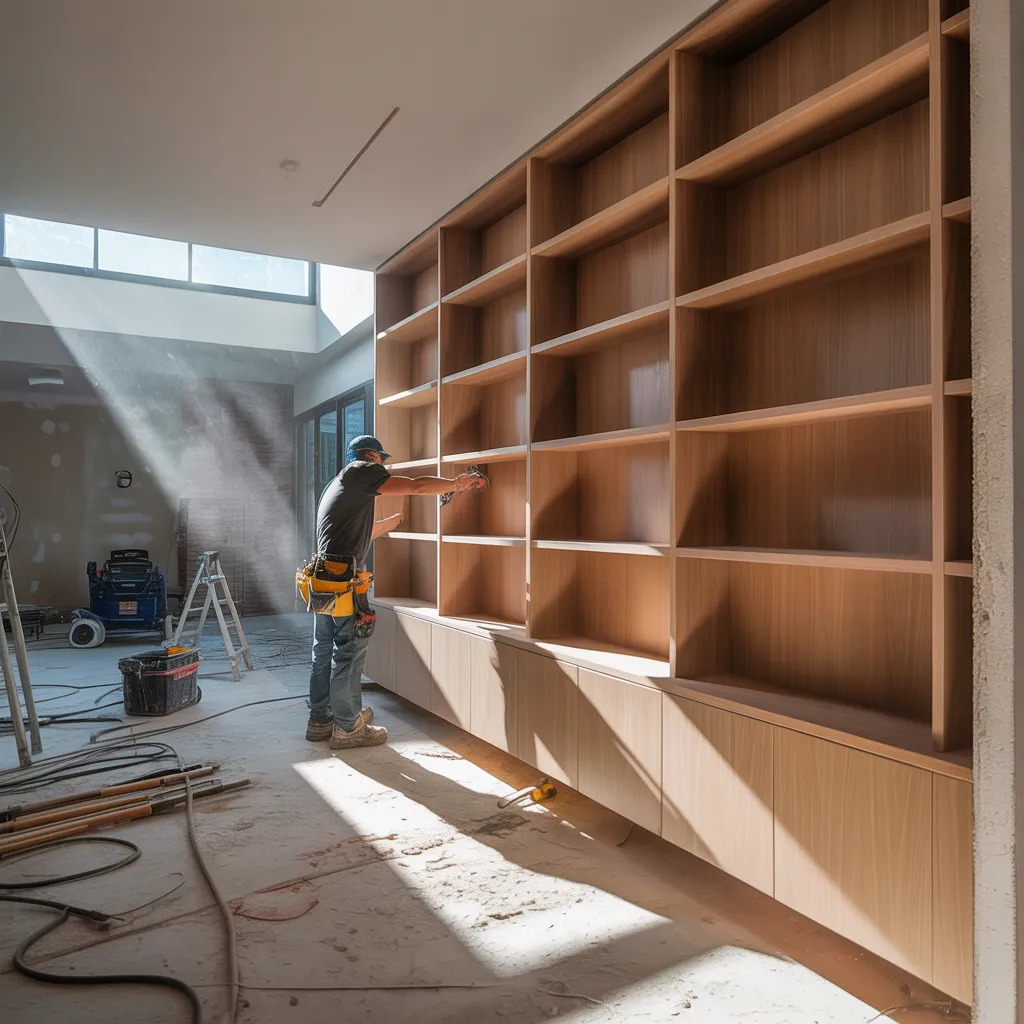
The Benefits of Choosing a Top-Rated Remodeling Contractor
When commencing a renovation undertaking, the decision to hire a highly-regarded professional can significantly impact the result. A skilled professional possesses the expertise and experience required to manage the intricacies of residential remodeling. They can offer important insights into design decisions, materials, and schedules, guaranteeing that the project aligns with the homeowner's vision and budget.
Top-performing contractors usually have positive reviews and a substantial portfolio, demonstrating their past accomplishments and patron contentment. This credibility can generate confidence among property occupants, lessening stress concerning large-scale home improvements. Likewise, a reputable contractor commonly has existing partnerships with distributors and trade specialists, which can produce reduced costs and quality of materials.
Ultimately, engaging a top-rated renovation expert not only strengthens the potential for a prosperous project but also establishes a cooperative setting where ideas and inspiration flourish, resulting in a remodeled home that captures the homeowner's goals.
Vital Features to Find in a Home Remodeling Contractor
Identifying the perfect remodeling contractor surpasses simply checking reviews and portfolios; it requires recognizing specific qualities that ensure a successful partnership. First, a well-regarded professional should possess strong communication skills, making certain that they can clearly articulate ideas and listen to client requirements. Next, experience in the particular renovation work necessary is critical, as it shows a established history of excellent craftsmanship. Additionally, a skilled professional must be licensed and insured, providing peace of mind regarding liability and safety. Reliability is another critical quality; a contractor must adhere to timelines and budgets, reducing unexpected delays. Finally, a strong collection showcasing diverse completed projects reflects a capacity to accommodate different aesthetics and client desires. By zeroing in on these attributes, homeowners can choose wisely associated article when selecting a renovation specialist, eventually resulting in a positive residential renovation.
Trending Renovation Endeavors to Evaluate
Homeowners frequently encounter numerous choices when considering renovation undertakings, each offering unique benefits and enhancements. Among the most popular projects, which can greatly improve usability and visual appeal. Updating countertops, cabinets, and appliances not only refreshes the space but also adds value to the home.
Bathroom remodels are yet another favored alternative, creating a sanctuary for relaxation and grooming. Homeowners frequently select modern fixtures, refined tiling, and better layouts to improve ease.
Additionally, basement renovation has gained traction as a way to expand living space, creating versatile areas for entertainment or home offices.
Outdoor improvements, such as deck setups or garden design, also remain in demand, allowing property owners to maximize their outdoor pleasure. Each of these undertakings not only improves the living space but can also yield a significant return on investment.
The Design Strategy: Cooperating With Your Contractor
The design process in refurbishment entails a crucial cooperative effort between the homeowner and the contractor. During the initial consultation meeting, suggestions and objectives are presented, laying the foundation for the work. Subsequently, design cycles progress, allowing for adjustments and ultimately leading to consent before the build phase starts.
Introductory Meeting Appointment
How does an initial consultation meeting set the stage for a prosperous renovation? This pivotal first step facilitates homeowners and contractors to establish a mutual understanding of the project's vision and goals. During this meeting, clients present their financial plan, ideas, and needs, while contractors analyze the space and provide insights on feasibility. Effective communication is paramount, as it promotes trust and collaboration between both parties. Contractors may also unveil collections of work of past endeavors, presenting inspiration and showcasing their capabilities. By addressing any concerns and deliberating on project deadlines, the initial consultation lays the groundwork for a mutually beneficial partnership. Ultimately, this session is essential for aligning expectations and ensuring that the remodeling project begins on a solid foundation.
Design Refinement and Acceptance
Throughout the design process, collaboration between homeowners and contractors is vital for perfecting the project vision. This phase stresses open communication, allowing both parties to talk about ideas, preferences, and concerns. Contractors provide initial design concepts based on the homeowner's input, which promotes iterative revisions. Each design iteration acts as a step toward the final layout, taking feedback and making necessary adjustments. Homeowners should feel confident to express their thoughts, ensuring the design fits their aspirations. Approval of the final design represents a major milestone, establishing the project blueprint. This joint effort nurtures a sense of ownership and satisfaction, paving the way for successful implementation and ultimately transforming the home into a personalized living space.
Comprehending the Costs of Home Remodeling
Knowing the expenses connected with home remodeling is vital for any property owner undertaking a project. Financial management effectively requires not only including the primary expenses but also recognizing hidden costs that may emerge during the renovation process. Awareness of these financial factors can help ensure a smoother and more successful remodeling experience.
Planning Your venture budget
Budgeting for a home renovation project requires thorough evaluation of multiple costs at stake. Homeowners should start by determining the extent of the project, which will significantly impact the overall budget. Key expenses generally include materials, labor, permits, and design fees. It is essential to investigate and obtain quotes from multiple contractors to establish a realistic estimate. Additionally, homeowners should think about whether they will undertake any of the work themselves, which can reduce labor costs. Creating a contingency fund is also prudent, as it allows for unforeseen expenses that may occur during the remodeling process. By thoroughly evaluating these factors, homeowners can create a comprehensive budget that corresponds with their financial capabilities and project goals.
Concealed Fees to Keep in Mind
While homeowners often focus on the major expenses of a remodeling project, they may miss several hidden costs that can significantly impact the overall budget. These expenses can encompass permits and inspections, which differ based on location and project type. Unexpected building problems, such as mold or outdated wiring, may also occur throughout remodeling work, requiring additional funds. Homeowners should also consider the costs of temporary housing if the project requires substantial labor. In addition, design changes throughout the project can lead to higher costs, as can the choice of premium finishes. Ultimately, renovation aftermath expenses, such as fresh furniture or landscaping, can additionally burden the budget. Understanding of these concealed costs is essential for sound budget management.
Tips for a Thriving Home Remodeling Project
A fruitful home renovation experience requires detailed planning and transparent communication. Homeowners are advised to start by creating a realistic budget and timeline, anticipating potential delays and unexpected costs. Hiring a reputable remodeling contractor is essential; they bring expertise and can offer insights that save time and money.
Property owners should also create a detailed design strategy, incorporating materials and finishes, to guarantee a unified aesthetic. Frequent meetings with the contractor support alignment on progress and address any concerns quickly. Communication should remain open and proactive, promoting a collaborative atmosphere.
Furthermore, it's prudent to get ready for disruptions by creating a temporary living space, especially for larger projects. Ultimately, patience is key; renovations can be stressful, but a positive mindset will contribute to a seamless process and contentment with the final outcome. By adhering to these tips, homeowners can improve their renovation experience and accomplish their desired results.
Often Posed Inquiries
What Timeframe is Required for a Common Remodeling Project to be Completed?
A standard renovation undertaking can take between a few weeks and several months to finish. Elements affecting the duration include scope of work, intricacy, and the productivity of the contractor and trades involved.
What Forms of Guarantees Do Renovation Contractors Present?
Remodeling professionals typically provide warranties on workmanship, supplies, and appliances. These warranties can extend from one year to a lifetime, depending on the contractor and specific project details, providing reassurance to homeowners regarding quality and durability.
How Do I Verify a Contractor's Permit and Insurance?
To check a contractor's credentials and coverage, one can review state regulatory agencies and online databases. Additionally, asking for copies of insurance certificates directly from the contractor confirms coverage is valid and satisfies required standards.
What should I Do if I'm Dissatisfied With the Work?
When frustration sets in, the homeowner ought to present issues directly with the contractor. Catalog problems, inspect the contract, and attempt amicable resolution. If still pending, pursue mediation or reaching local authorities for extra help.
Are There Financing Options Offered for Home Remodeling Projects?
Many home improvement professionals offer various financing options, including personal credit, home equity credit options, and payment schedules. House owners need to review these options to find a answer that matches their financial situation and renovation goals successfully.